GENERAL RADIO 1310-A Audio Oscillator Alamos Manhattan 2HZ-2MHZ
( Brand: General Radio ), ( Manufacturer Part Number: 1310-A )
Review GENERAL RADIO 2hz-2mhz Vtg Audio Oscillator Los Alamos Manhattan Project
The VTG General Radio 1310 Audio Oscillator, model 1310-A, is a vintage treasure for audio enthusiasts and collectors alike. This oscillator, manufactured by Alamos Manhattan, operates within the frequency range of 2 Hz to 2 MHz, making it a versatile tool for various applications.
The 1310-A is housed in a sturdy, vintage-style metal enclosure, which not only adds to its aesthetic appeal but also ensures durability. The front panel is equipped with a single knob for frequency adjustment, allowing for precise control within its operational range. The back panel features a BNC output connector, enabling easy integration with other audio equipment for various experiments or projects.
The 1310-A's operation is based on a quartz crystal oscillator, ensuring stable and accurate frequency output. The audio output is pure, clear, and free from distortion, making it ideal for applications such as frequency generation, signal generation, and audio frequency analysis.
The VTG General Radio 1310 Audio Oscillator, 1310-A, is more than just a vintage device; it's a piece of audio history and a tool that invites discovery and experimentation. Whether you're a hobbyist, musician, or researcher, this oscillator is an excellent addition to your collection or laboratory.
Pros of buying a 2hz-2mhz Vintage General Radio 1310 Audio Oscillator (1310-A):1. Authenticity: This is a vintage radio oscillator, which means it has a unique and classic look that many collectors and hobbyists appreciate.
2. Historical Significance: The 1310-A was a popular radio oscillator in its time and is a piece of electronic history.
3. Functionality: The oscillator is still functional and can be used for a variety of purposes, such as testing audio equipment, generating signals, or as a learning tool for electronics enthusiasts.
4. Durability: Vintage electronics are often built to last, and the 1310-A is no exception. With proper care, it should continue to function well for years to come.
5. Rarity: As a vintage item, the 1310-A is relatively rare, which can make it a valuable addition to a collection.
Cons of buying a 1310-A:1. Age: Being a vintage item, the 1310-A may have some wear and tear, and parts may need to be replaced or repaired.
2. Compatibility: The 1310-A may not be compatible with modern equipment, which could limit its usefulness.
3. Cost: Vintage electronics can be expensive, especially if they are in good condition.
4. Maintenance: Vintage electronics require more maintenance than modern equipment, which could be a drawback for some users.
5. Limited Features: Compared to modern oscillators, the 1310-A may have limited features and capabilities.
Conclusion:The 2hz-2mhz Vintage General Radio 1310 Audio Oscillator (1310-A) is a unique and valuable item for electronics enthusiasts and collectors. Its authenticity, historical significance, and functionality make it a desirable addition to any collection. However, its age and potential compatibility issues, as well as its cost and maintenance requirements, should be considered before making a purchase. If you are willing to invest in a vintage item and are looking for a piece of electronic history, then the 1310-A is definitely worth considering.
Recommendation:If you are interested in buying the 2hz-2mhz Vintage General Radio 1310 Audio Oscillator (1310-A), I would recommend doing your research first. Look for a reputable seller, check the condition of the item, and make sure it is compatible with any equipment you plan on using it with. Additionally, consider setting a budget and be prepared to invest in any necessary repairs or replacements. Overall, the 1310-A is a great addition to any electronics collection, but make sure you are prepared for the potential challenges that come with owning a vintage item.
Details:
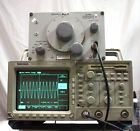
Due to the limited testing and because vintage components can fail at any time it is sold as-is, officially for parts or not working though may work fine, be faulty but repairable shot - we just don't know. Prior to listing it was powered on and connected an oscilloscope. We were able to observe a waveform and vary its frequency amplitude.
No further testing was performed. Surplus from a government lab. The asset control tag reads property of ASL ARC which stands for los alamos scientific laboratory atomic energy commission.
Listing is for the unit only with no power cord, oscilloscope or other accessories. This is the only one on market with photographic proof of both provenance and testing - don't let it get away.
part #: 1310 prices
- $50.00-$85.00
specifications cassettevintagee:
- brand: General Radio
- mpn: 1310-a
Seller cassettevintagee:
- city: Borger, Texas
- zipcode: 79007
General cassettevintagee:
- in stock: Yes
- consumer electronics > vintage electronics audio video consumer electronics > vintage cassette decks
Returns cassettevintagee:
- policy: no returns
Offer cassettevintagee:
- Sold: 0
- Started: May 13, 2018, 7:36 am
- quantity: 1
- bids: 0
- best offer: true
Ratings:
- Great Transaction! 05-06-18
- I 05-12-18
- Nice item as described. Fast shipping. 05-11-18
- As discribe good transaction 05-02-18
- A Pleasant transaction,A pleasure to do business with, will buy again Thank-You! 05-05-18
Payments cassettevintagee:
- PayPal
Shipping cassettevintagee:
- cost: $29.95
- type: Flat
- handling: 3 days
General Radio 1310 Is Similar To:
- 107k Vintage Usa Gr General Radio Variable Inductor Type Untested (38.5% similar) ...(June 11th, 2018)
- 1301 General Radio Vintage Oscillator (57.9% similar) Well designed, impressive outside and in, with huge transformers tubes. Heres a very cool-looking gr low-distortion oscillator, probably from the early-to-mid 1950S. The power socket was updated to accommodate a modern 3-CONDUCTOR IRC plug in cable. Buyer prepays and pays shipping. This unit has ...(January 6th, 2019)
- 15-1225 B Radio Shack Vtg Archerotor Ham Antenna Rotator Control Wire (38.8% similar) ...(December 28th, 2018)
- 1932a General Radio Vintage Distortion And Noise Meter (48.4% similar) Unfortunately it needs its fuse holders and fuses, along with a power cord. See other offers for more Radio, broadcast audio, music stuff. Buy without worry. Buyer prepays and pays shipping. Well designed, impressive outside and in, with huge transformers tubes at least one of which appears to have ...(June 7th, 2018)
- 3-5271a General Electric Vtg Fm Radio Stereo Cassette Player Walkman Ge (42.6% similar) Great working condition tested and works case shows wear, scratches, scuffs, slight ding battery acid damage on comes with original vinyl cover no batteries just the player free shipping...(September 1st, 2018)
- 3-5477b General Electric Ge Walkman Cassette Player Am Fm Radio Personal (26.8% similar) ...(February 26th, 2018)
- 43-231a Archer Vtg Radio Shack Telephone Listener Speaker (26.8% similar) Please see pics for conditions. Very nice vintage archer telephone listener, plugged it in and I can hear didn't pickup someones phone conversation though...(December 12th, 2018)
- 44-1103 44-1189 Realistic Radio Shack Vtg Vhs Beta Videocassette Labels Video Tape (34.2% similar) Late 70S early 80S vintage. And vintage video tape timer. Collectible realistic Randy corp Radio shack classic logo. Catalog like vintage goodies. Check my other listings. Vintage realistic Radio shack VHS beta videocassette labels. New old stock in original package. Custom manufactured in USA oldie...(September 15th, 2018)
- 7-2885d Ge Superadio Ii General Electric Long Range Am Fm Portable Radio (22.5% similar) If you do not see an accessory in the pictures, it does not come with it. In the continental us. I try my best to fully represent the items with pictures and or. The offer is for everything you see in the pictures. It works just fine and is in pretty good condition...(February 19th, 2016)
- A-vde600 International Vintage Stereo Video Enhancer Radio Shack Audio Dubbing Lot (34.2% similar) This also comes with a Magnificat VCR stereo dubbing cable. Vintage stereo in-line video enhancer Radio shack audio dubbing. Audio input output impedance 10K empower source dc 12V 100MA. This is used but in good overall condition...(February 28th, 2018)
- Ag-9a Heathkit Vintage Audio Generator Model Radio (41.7% similar) Powers on and seems to run through the audio spectrum fine...(August 22nd, 2018)
